Chapter 10 Housing Justice: A Finite-Term, Exit-Enabled Housing System under Trusteeship Governance
Chapter orientation Housing is first a foundation of life and community. The model creates a third path between ordinary renting and perpetual ownership by separating occupancy, equity formation, purchase choice, exit, and stewardship of the underlying asset. |
|---|
10.1 Why Housing Requires a Separate Chapter
Section titled “10.1 Why Housing Requires a Separate Chapter”Tier C — Institutional prototype, not revealed millennial policy
Housing sits at the intersection of basic life, family relationships, community belonging, land, long-term finance, public infrastructure, and speculative asset markets. Ordinary renting preserves flexibility but usually builds no housing equity. Perpetual ownership can accumulate an asset, yet large down payments and twenty- or thirty-year mortgages may bind employment, mobility, caregiving, and family choices to a fixed debt.
This chapter does not claim that Leviticus 25 directly prescribes a modern rent-to-own contract, nor that Christ’s Millennial Kingdom must use twenty-five-year or fifty-year trusts, purchase-option premiums, or the same formulae presented here. It demonstrates how redemption, a fresh start, remaining-term valuation, nonpermanent control, and provider sustainability can be translated into a transparent and testable governance prototype. Formal implementation would require legal, actuarial, tax, trust, consumer-protection, construction, insurance, financial, and data-governance review.
10.2 Core Architecture and Balancing Objectives
Section titled “10.2 Core Architecture and Balancing Objectives”Tier C — Institutional design
The system begins with ‘occupy first, then decide whether to purchase.’ A resident obtains stable occupancy and an annually renewed purchase option. Each periodic payment is separated into the consumed Housing Use Fee(t), the gradually vesting Home-Purchase Contribution(t), and the Purchase Option Premium(t). The Formula Purchase Price(t) is updated annually through a transparent dual-anchor formula based on cost and Comparable Remaining-Term Fair Value(t).
Residents may continue renting, exercise the purchase option, exit, transfer vested equity to another qualifying scheme, sublet under published conditions, or complete a hardship transfer. The trusteeship institution retains a one-year priority repurchase right at a fair formula price. The model simultaneously pursues affordability, genuine exit, anti-speculation, sustainable supply, equitable rights, and transparent risk.
Total Payment(t) = Housing Use Fee(t) + Home-Purchase Contribution(t) + Purchase Option Premium(t) Every standardized English variable, including (t), is italicized and used consistently throughout this edition. |
|---|
| Institutional dimension | Core arrangement | Institutional purpose |
|---|---|---|
| Occupancy and purchase | Obtain stable occupancy first while retaining the annual right—but not the obligation—to buy. | Reduce the risks of an immediate mortgage commitment and a mistaken purchase. |
| Payment segregation | Separate Housing Use Fee(t), Home-Purchase Contribution(t), and Purchase Option Premium(t). | Distinguish consumed service, resident equity, and the price of decision flexibility. |
| Annual pricing | Combine Cost-Anchor Value(t) and Comparable Remaining-Term Fair Value(t) under a published formula. | Avoid both a permanently frozen entry price and complete exposure to speculative freehold prices. |
| Genuine exit | Refund or transfer vested resident equity after disclosed reasonable fees. | Prevent relocation, hardship, or household change from erasing years of accumulation. |
| Anti-speculation | Use finite-term rights, transfer restrictions, and fair-formula priority repurchase. | Limit short-term arbitrage while recognizing legitimate improvements and remaining rights. |
| Provider sustainability | Disclose cost recovery, required reserves, risk capital, and Allowed Return(t). | Sustain construction, maintenance, liquidity, repurchase, and long-term supply. |
| Fair repurchase | One-year priority repurchase by the trusteeship institution using independent valuation and a public formula. | Balance anti-speculation, recognized improvements, and resident fairness. |
| Multi-stakeholder trusteeship governance | Separate construction, valuation, custody, management, repurchase, and appeals among accountable parties. | Prevent one party from both setting a price and benefiting from that price without independent review. |
10.3 Secure Housing First, Then Offer Accumulation
Section titled “10.3 Secure Housing First, Then Offer Accumulation”Tier C — Institutional inference
Housing justice does not require every person to receive perpetual title immediately, nor does it confine households to renting forever. The third path gives residents stable occupancy from the beginning and allows housing equity to grow through actual residence. The resident has time to learn about the dwelling, neighborhood, work location, schools, care networks, and family needs before making an irreversible purchase decision.
Security, accumulation, and choice must coexist. A household should not lose its home immediately because of a short income interruption, market decline, job relocation, or caregiving responsibility. At the same time, long-term payments need not disappear into pure rent. The design therefore protects occupancy, creates a ring-fenced contribution account, and preserves the freedom to buy, not buy, move, or transfer.
10.4 Governing Body: A Multi-Stakeholder Housing Trusteeship Institution
Section titled “10.4 Governing Body: A Multi-Stakeholder Housing Trusteeship Institution”Tier C — Governance design
The housing trusteeship institution is jointly governed by resident representatives, public-interest representatives, professional trustees, provider representatives, and representatives of vulnerable groups or the local community. The aim is not to create a board so large that it cannot act, but to ensure that pricing, custody, operations, repurchase, and appeals are not controlled by the same party.
Independent valuation and formulae determine the Formula Purchase Price(t), Purchase Option Premium(t), and Fair Repurchase Price(t) and validate the model. Trust custody and audit safeguard Home-Purchase Contribution(t), maintain resident-equity coverage, and establish bankruptcy remoteness. Property management and engineering handle maintenance, renewal, quality, and life-cycle planning. Resident-rights and appeal functions handle exit, subletting, hardship transfer, disputed valuation, and independent review.
| Function | Primary responsibility | Governance safeguard |
|---|---|---|
| Housing Trusteeship Board | Set mission, approve disclosed rules, oversee solvency, and represent affected stakeholders. | Plural representation, recorded decisions, conflict recusal, and public reporting. |
| Independent valuation and formulae | Calculate Formula Purchase Price(t), Purchase Option Premium(t), and Fair Repurchase Price(t); validate data and models. | Independence from sales incentives; published parameters; third-party recalculation. |
| Trust custody and audit | Custody Home-Purchase Contribution(t), reconcile accounts, and protect bankruptcy remoteness. | Ring-fencing, external audit, asset coverage, and prohibition on pledging resident equity. |
| Property management and engineering | Deliver service, maintenance, renewal, safety, and asset-life planning. | Published standards; inspections; no deferral of maintenance to manufacture surplus. |
| Resident rights and appeals | Handle exit, portability, hardship, subletting, complaints, and valuation disputes. | Independent appeal; no sole control by the original decision-maker. |
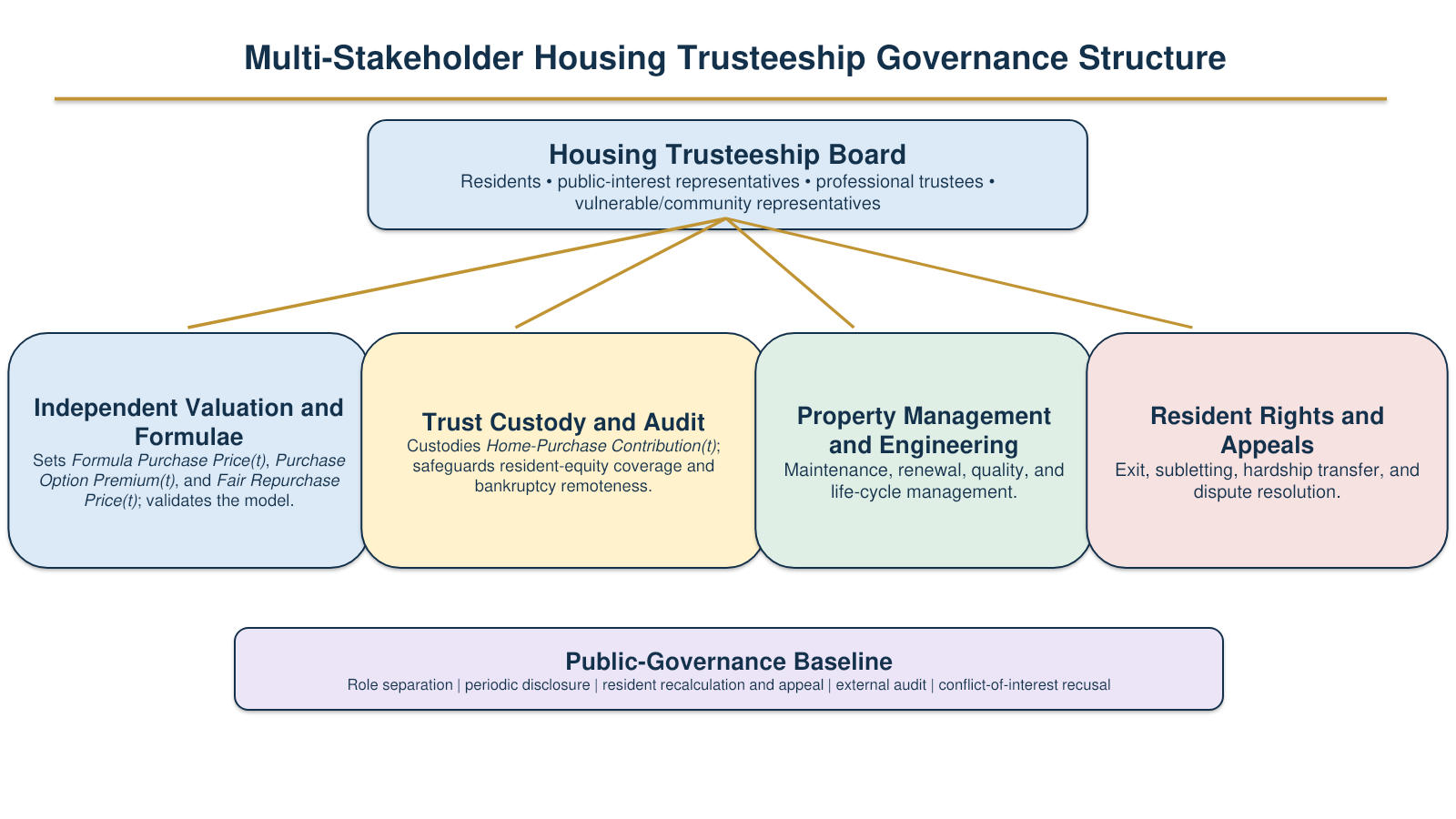
Figure 10-1 — Multi-stakeholder housing trusteeship governance structure.
10.5 Trust Term and Bundle of Rights
Section titled “10.5 Trust Term and Bundle of Rights”Tier C — Institutional design
The total trust or residential-right term may be twenty-five years, fifty years, or another period designed for the applicable jurisdiction, land rights, and building life cycle. The point is not a sacred number. The term, permitted uses, renewal, transfer, and end-of-term treatment must be disclosed before entry and cannot be decided unilaterally when the term expires.
Legal title may remain with the trusteeship institution under a fixed-term superficies, leasehold, community-land-trust, or comparable structure. Residents progressively obtain a stable occupancy right, a purchase option, vested contribution equity, a regulated right to sublet, a hardship or special transfer right, and a beneficial right for the remaining term after exercise. The system does not recognize an unlimited private right to control the property beyond the disclosed term.
| Right | Institutional meaning | Typical point of acquisition |
|---|---|---|
| Occupancy right | Stable use of the dwelling, protected from arbitrary displacement caused by short-term market movement. | At move-in, subject to disclosed obligations. |
| Purchase option | Right to purchase later under the published formula, without an obligation to buy. | Maintained through the Purchase Option Premium(t) and compliance with the scheme. |
| Contribution equity | Home-Purchase Contribution(t) progressively becomes resident equity. | Under the published vesting schedule. |
| Subletting right | Permission to sublet under rent, maintenance, and secondary-resident safeguards. | After published eligibility thresholds are met. |
| Special transfer right | Accelerated handling for illness, relocation, caregiving, or other disclosed hardship. | After review under transparent criteria. |
| Remaining-term beneficial right | Fuller use and transfer rights for the balance of the term after exercise. | When the purchase option is exercised and settlement is completed. |
| Perpetual domination | Unlimited control extending beyond the term and public accountability. | Not recognized by the model. |
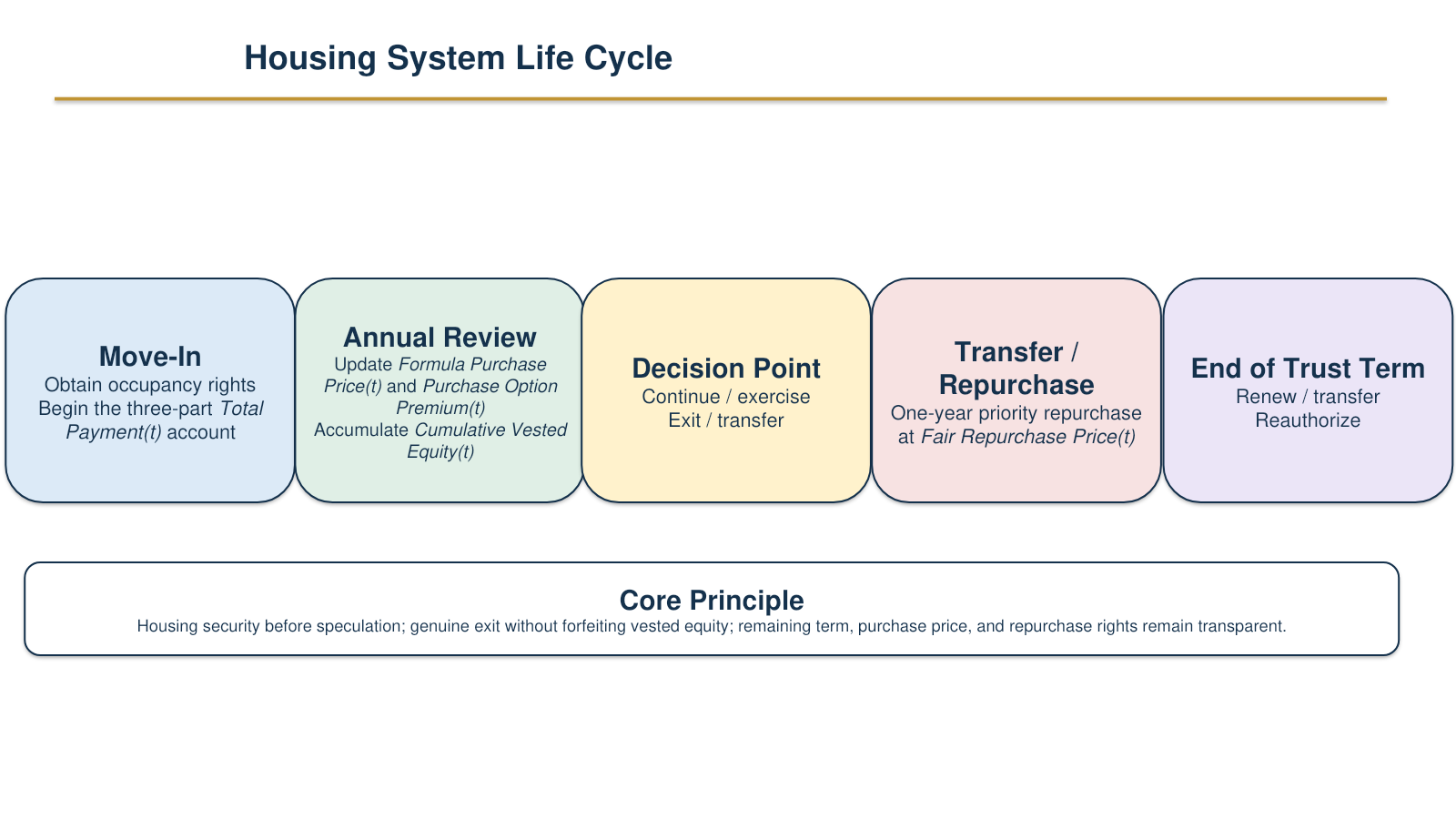
Figure 10-2 — Housing-system life cycle.
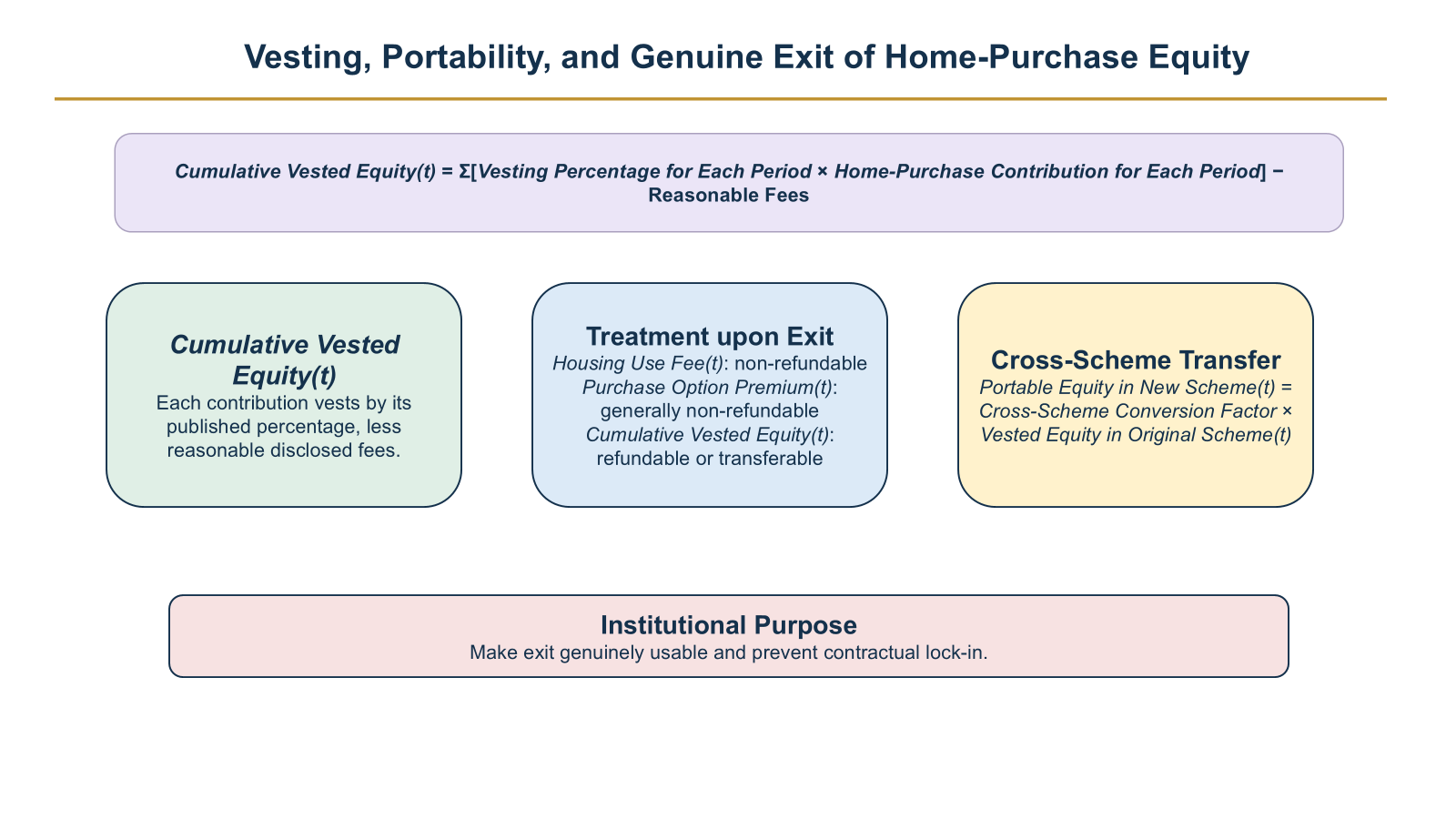
Figure 10-3 — Vesting, Portability, and Genuine Exit of Home-Purchase Equity.
10.6 The Three-Part Structure of Each Periodic Payment
Section titled “10.6 The Three-Part Structure of Each Periodic Payment”Tier C — Contract and accounting design
The three payment components have different legal, accounting, and exit effects. Housing Use Fee(t) pays for housing services already consumed: occupancy, maintenance, management, capital services, and long-term renewal. Home-Purchase Contribution(t) enters a segregated resident-equity account and vests progressively. Purchase Option Premium(t) is the price of retaining the asymmetric right to buy later—or choose not to buy.
The separation must be visible on every statement. Combining all three into a single opaque ‘rent’ would make it impossible to know which amount is service income, which amount belongs to the resident, and which amount compensates the provider for option, capacity, liquidity, and pricing obligations. Account segregation is therefore the central trust boundary of the system.
| Total Payment(t) = Housing Use Fee(t) + Home-Purchase Contribution(t) + Purchase Option Premium(t) |
|---|
| Housing Use Fee(t) = Basic Occupancy Value(t) + Routine Maintenance Allocation(t) + Management Cost Allocation(t) + Capital Service Allocation(t) + Renewal Reserve Allocation(t) |
Housing Use Fee(t) corresponds to consumed service and is generally non-refundable upon exit.
| Component | Economic character | Treatment upon exit |
|---|---|---|
| Housing Use Fee(t) | Consideration for housing, maintenance, management, capital services, and renewal capacity already provided. | Not refunded because the service has been consumed. |
| Home-Purchase Contribution(t) | Resident equity or trust liability that vests under published rules. | The vested amount is refunded or transferred after disclosed reasonable fees. |
| Purchase Option Premium(t) | Price of retaining purchase flexibility and compensation for corresponding provider obligations. | Generally not refunded because the option service was available during the period; unearned portions remain deferred or reserved. |
Formula variable definitions
Section titled “Formula variable definitions”| Variable | Meaning in the formula |
|---|---|
| Total Payment(t) | The resident’s total amount due at time point t. |
| Housing Use Fee(t) | Payment for occupancy, maintenance, management, capital service, and renewal preparation already consumed; generally not refundable on exit. |
| Home-Purchase Contribution(t) | Amount entering a segregated resident-equity account and progressively vesting; it may offset price, be refunded, or transfer across schemes. |
| Purchase Option Premium(t) | Price of retaining the flexibility to buy later or decline to buy. |
| Time point t | The charging period: month t, quarter t, or another period specified in the contract. |
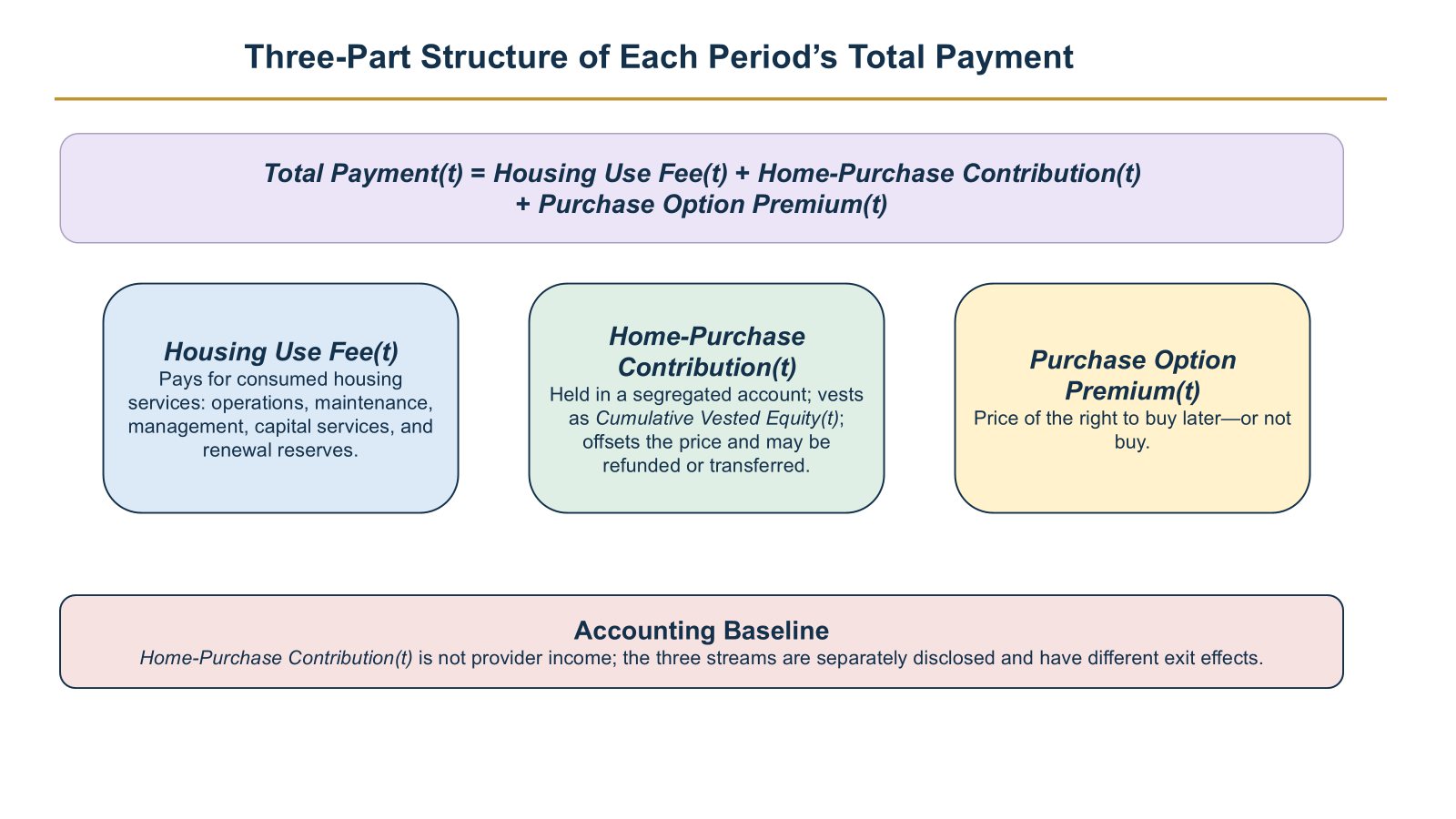
Figure 10-4 — Three-part structure of each period’s total payment.
10.7 Purchase Option Premium(t)
Section titled “10.7 Purchase Option Premium(t)”Tier C — Conceptual real-options framework
The resident has the right to purchase later under a published formula but no obligation to do so. This asymmetry has value. The premium is not purchase principal and does not guarantee appreciation. It compensates for the resident’s decision flexibility and for the provider’s corresponding obligations to reserve capacity, honor the price formula, manage liquidity, and absorb concentrated exercise or repurchase risk.
The conceptual formula combines intrinsic value, time and volatility value, and contractual flexibility. Intrinsic value arises when Comparable Remaining-Term Fair Value(t) exceeds Formula Purchase Price(t). Time and volatility value reflect uncertainty and the remaining decision period. Contractual flexibility reflects exit, transfer, subletting, hardship handling, and deferred choice. All weights require actuarial calibration, legal definition, pilot evidence, and ongoing governance review.
Purchase Option Premium(t) = Intrinsic-Value Weight × max[Comparable Remaining-Term Fair Value(t) − Formula Purchase Price(t), 0] + Time-Volatility Weight × Volatility(t) × √[Remaining Option Term(t)] + Flexibility-Value Weight × Contract Flexibility Value(t) Conceptual real-options framework; not a market guarantee or revealed formula. |
|---|
| Variable | Meaning in the formula |
|---|---|
| Purchase Option Premium(t) | Total price at time t for retaining the purchase option and related contractual flexibility. |
| Intrinsic-Value Weight | Calibrates the share of value attributed to the positive difference between comparable fair value and the formula price. |
| Comparable Remaining-Term Fair Value(t) | Fair reference value of rights in the same area with the same quality, restrictions, and remaining term. |
| Formula Purchase Price(t) | Purchase price calculated under the published dual-anchor formula. |
| Time-Volatility Weight | Calibrates the effect of remaining time and uncertainty on the premium. |
| Volatility(t) | Estimated volatility at time t of comparable remaining-term housing-right values. |
| Remaining Option Term(t) | Time remaining from t until the option expires or is renewed. |
| Flexibility-Value Weight | Calibrates value attributable to exit, transfer, subletting, and deferred decision-making. |
| Contract Flexibility Value(t) | Additional value generated by the set of contractual options available at time t. |
| max[difference, 0] | If the difference is negative, use zero so intrinsic value cannot become negative. |
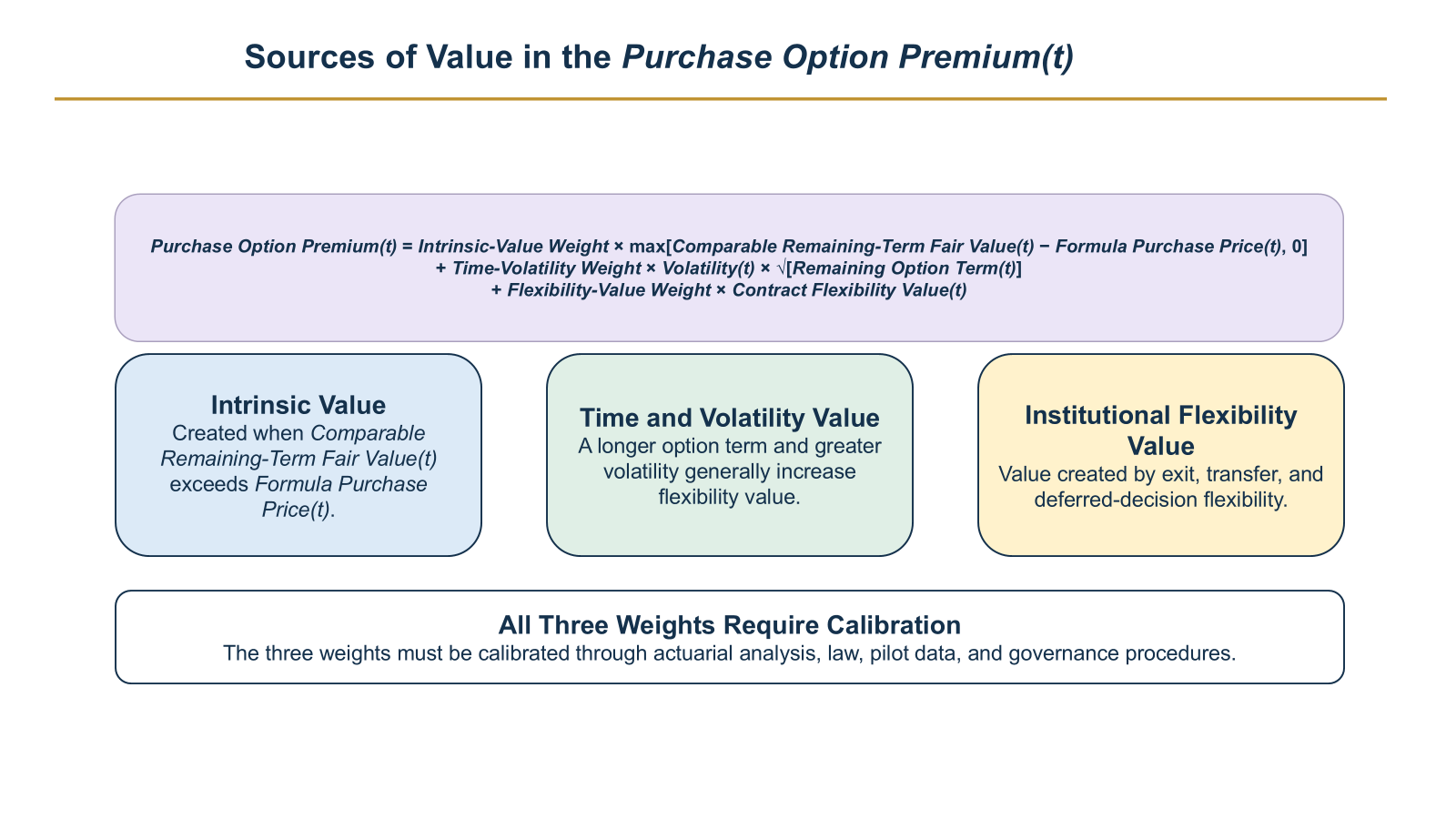
Figure 10-5 — Sources of value in the Purchase Option Premium(t).
10.8 Formula Purchase Price(t) Is Adjusted Annually through a Transparent Dual-Anchor Formula
Section titled “10.8 Formula Purchase Price(t) Is Adjusted Annually through a Transparent Dual-Anchor Formula”Tier C — Pricing design
The purchase price should be neither frozen permanently at move-in nor set equal to the price of perpetual freehold title. A permanently fixed price can become detached from costs, quality, and the remaining term. Pure market pricing can expose residents again to speculative land values. The dual-anchor formula balances a cost-based reference with Comparable Remaining-Term Fair Value(t) and a limited, verifiable adjustment.
Cost-Anchor Value(t) reflects replacement cost, approved improvements, depreciation, deferred maintenance, and the remaining term. Comparable Remaining-Term Fair Value(t) uses rights with the same location, quality, restrictions, and duration. Public Adjustment(t) covers disclosed service, quality, shared-facility, or other verifiable factors. The permanent terminal value of land beyond the disclosed term is excluded.
Formula Purchase Price(t) = Cost-Anchor Weight × Cost-Anchor Value(t) + [1 − Cost-Anchor Weight] × Comparable Remaining-Term Fair Value(t) + Public Adjustment(t) Weights, data sources, caps, floors, and exceptions must be published before use. |
|---|
Cost-Anchor Value(t) = [Base Replacement Cost(0) × Replacement Cost Index(t) + Approved Improvement Value(t) − Physical Depreciation(t)] × Term Adjustment Function[Remaining Term(t) / Total Term] The term adjustment reflects finite remaining rights and excludes perpetual land value beyond the disclosed term. |
| Pricing component | Content | Governance requirement |
|---|---|---|
| Cost-Anchor Value(t) | Replacement cost, approved improvement, depreciation, deferred maintenance, and remaining-term adjustment. | Independent cost data, transparent index, documented improvements, and physical inspection. |
| Comparable Remaining-Term Fair Value(t) | Reference to housing rights with the same district, quality, restrictions, and remaining term. | No substitution of perpetual freehold prices; robust comparable set and outlier rules. |
| Public Adjustment(t) | Service, quality, public facilities, energy performance, or other verifiable adjustments. | Published criteria, evidence, caps, and resident right to challenge. |
Complete formula variable definitions
Section titled “Complete formula variable definitions”| Variable | Meaning in the formula |
|---|---|
| Formula Purchase Price(t) | The purchase price at time t under the published formula. |
| Cost-Anchor Weight | Weight of the cost anchor in total price; it lies between zero and one. |
| Cost-Anchor Value(t) | Cost reference based on replacement cost, approved improvements, depreciation, and remaining term. |
| Comparable Remaining-Term Fair Value(t) | Reference value for housing rights in the same area with the same quality, restrictions, and remaining term. |
| Public Adjustment(t) | Published, verifiable adjustment for services, quality, shared facilities, or other disclosed factors. |
| Base Replacement Cost(0) | Replacement-cost baseline at inception. |
| Replacement Cost Index(t) | Published index carrying the replacement-cost baseline to time t. |
| Approved Improvement Value(t) | Value of improvements approved and documented under the governance process. |
| Physical Depreciation(t) | Accumulated physical depreciation and documented deferred maintenance at time t. |
| Term Adjustment Function | Published function that scales cost value to the finite rights remaining. |
| Remaining Term(t) | Time remaining in the disclosed housing-right term at time t. |
| Total Term | The full disclosed institutional term. |
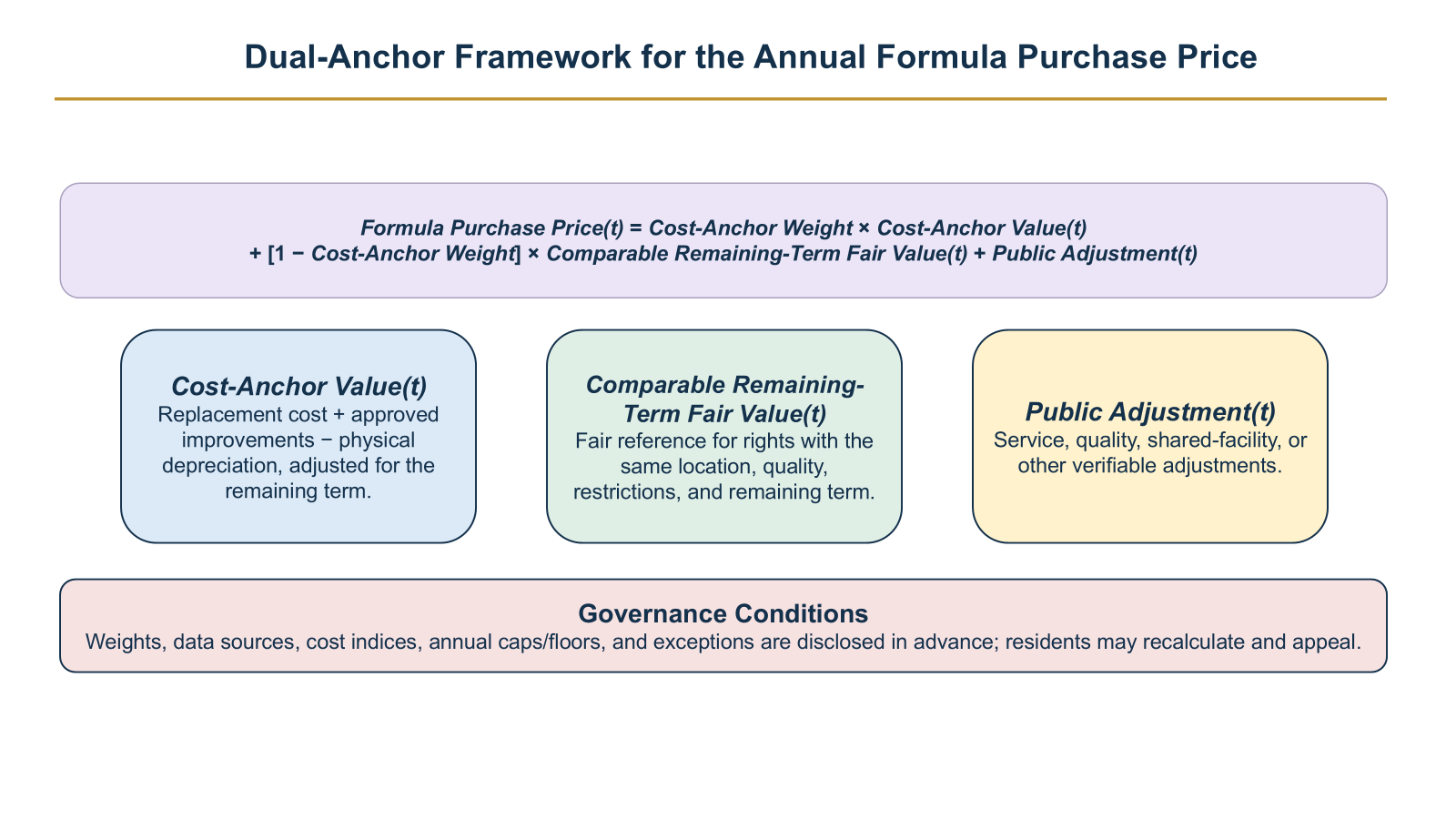
Figure 10-6 — Dual-anchor framework for the annual Formula Purchase Price(t).
10.9 Breaking Contractual Lock-In: Vesting and Portability of Home-Purchase Contribution(t)
Section titled “10.9 Breaking Contractual Lock-In: Vesting and Portability of Home-Purchase Contribution(t)”Tier C — Contract and trust design
A nominal exit right is not genuine if leaving after ten or twenty years erases all accumulated value. Employment, caregiving, marriage, health, family size, and neighborhood conditions may make the original dwelling unsuitable. The resident should not be forced to remain merely because the forfeiture cost is unbearable.
Home-Purchase Contribution(t) therefore vests progressively under a disclosed schedule. Early exit may preserve a lower share to recognize recruitment, vacancy, administration, and reallocation costs. The vested share rises over time and can be refunded or transferred to another qualifying scheme. Cross-scheme transfer uses a published conversion factor reflecting quality, remaining term, public subsidy, and reasonable transaction cost; it is not assumed to be one-to-one.
| Cumulative Vested Equity(t) = Σ[Vesting Percentage for Each Period × Home-Purchase Contribution for Each Period] − Reasonable Fees |
|---|
| Portable Equity in New Scheme(t) = Cross-Scheme Conversion Factor × Vested Equity in Original Scheme(t) |
The conversion factor is published and reflects differences between schemes rather than hiding them in discretionary negotiation.
Formula variable definitions
Section titled “Formula variable definitions”| Variable | Meaning in the formula |
|---|---|
| Cumulative Vested Equity(t) | Resident housing equity vested through time t. |
| Vesting Percentage for Each Period | Share of each period’s contribution that becomes resident equity. |
| Home-Purchase Contribution for Each Period | Contribution deposited in the segregated account in each period. |
| Reasonable Fees | Necessary exit or transfer costs disclosed in advance with categories and caps. |
| Portable Equity in New Scheme(t) | Equity that can be carried into a qualifying new scheme. |
| Cross-Scheme Conversion Factor | Published conversion factor reflecting quality, term, subsidy, and reasonable transaction-cost differences. |
| Vested Equity in Original Scheme(t) | Equity already vested in the original scheme through time t. |
10.10 Resident Decision Model
Section titled “10.10 Resident Decision Model”Tier C — Simplified decision framework
Each year the resident compares future net burdens rather than allowing sunk costs to dictate the decision. Consumed Housing Use Fee(t) and Purchase Option Premium(t) have already delivered service and flexibility; they should not be treated as reasons to remain in an unsuitable dwelling. The relevant comparison is between the remaining payment required to exercise in the current scheme and the adjusted net cost of a credible alternative.
The decision is not purely financial. Housing Fit Value(t) represents commuting time, schools, care networks, health access, community relationships, safety, accessibility, and life stage. The variable must not be used as an opaque behavioral score. It is a resident-centered assessment that makes nonfinancial fit visible and keeps the simplified formula from pretending that every housing decision can be reduced to price alone.
| Remaining Purchase Payment(t) = Formula Purchase Price(t) − Cumulative Vested Equity(t) |
|---|
| If Remaining Purchase Payment(t) ≤ Alternative Housing Fair Value(t) − Portable Exit Equity(t) + Relocation and Switching Cost(t) + Housing Fit Value(t), then staying or exercising is financially reasonable under the simplified model. |
The resident still decides; the formula is a decision aid, not an automatic command.
| Variable | Definition |
|---|---|
| Remaining Purchase Payment(t) | Amount still required at time t to purchase the current home. |
| Formula Purchase Price(t) | Published formula price of the current dwelling at time t. |
| Cumulative Vested Equity(t) | Resident equity available to offset the current formula price. |
| Alternative Housing Fair Value(t) | Fair value of an alternative with comparable quality, restrictions, and remaining term. |
| Portable Exit Equity(t) | Equity recoverable or transferable if the resident exits at time t. |
| Relocation and Switching Cost(t) | Moving, transaction, transition, and household disruption cost at time t. |
| Housing Fit Value(t) | Resident-assessed value of commute, school, care, health, accessibility, community, and life-stage fit. |
If Housing Fit Value(t) is converted into a numerical amount for comparison, the conversion method must be consistent, public, explainable, and challengeable; it may not be a hidden score imposed on the resident.
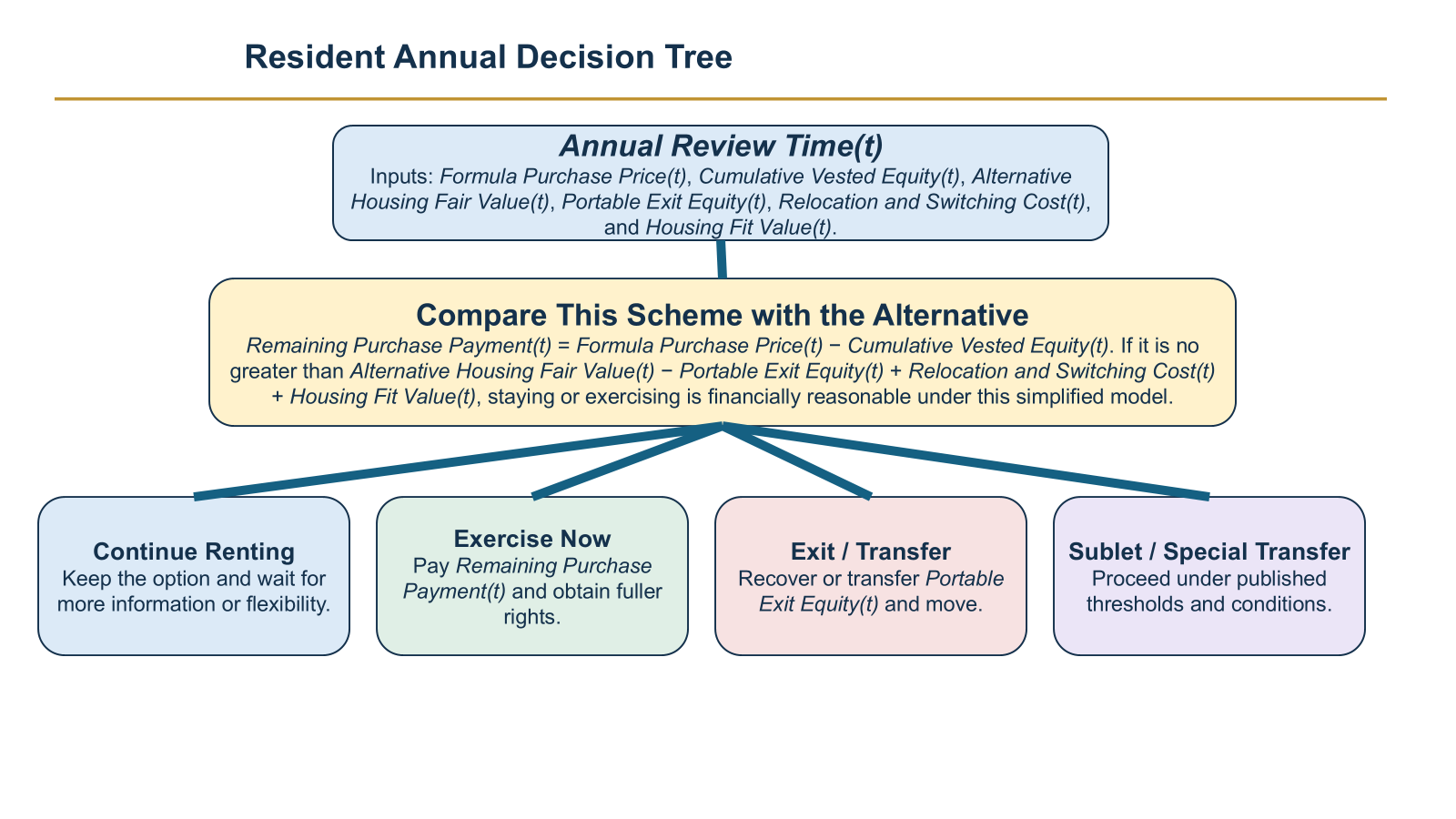
Figure 10-7 — Resident annual decision tree.
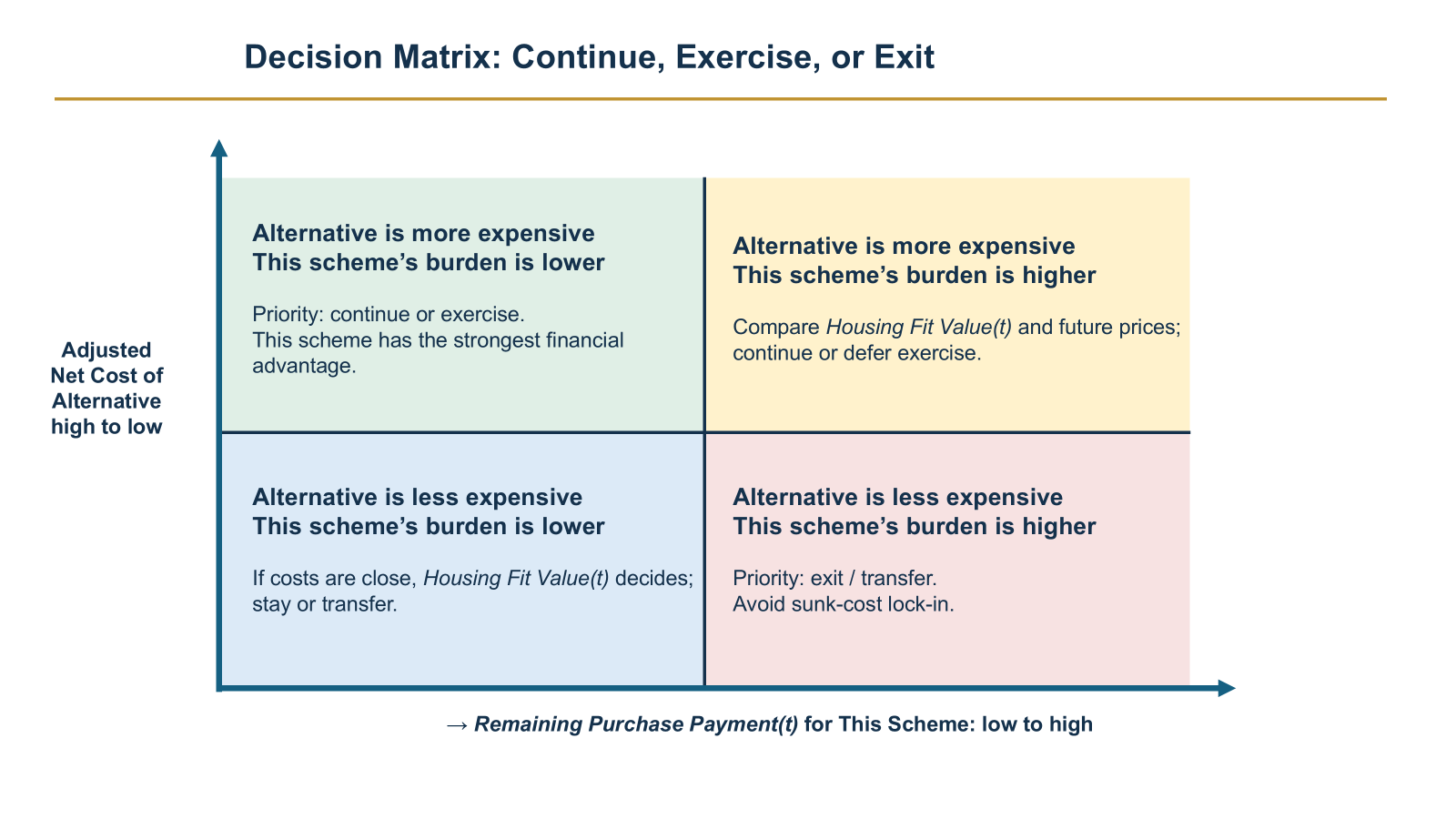
Figure 10-8 — Decision matrix: continue, exercise, or exit.
10.11 Subletting, Special Transfer, and One-Year Priority Repurchase at a Fair Formula Price
Section titled “10.11 Subletting, Special Transfer, and One-Year Priority Repurchase at a Fair Formula Price”Tier C — Anti-speculation and resident-protection design
Residents may receive a regulated right to sublet after meeting published thresholds. Rules must address rent, maintenance, occupancy standards, and the rights of secondary residents so that an original resident does not become a new rentier who extracts monopoly value. Whether a secondary resident receives a purchase option must be disclosed clearly.
Illness, relocation, caregiving, or other hardship may require accelerated transfer, bridge funding, or third-party trustee acquisition. After a resident exercises the purchase option, an early resale can be subject to a one-year priority repurchase right held by the trusteeship institution. The price is not unilateral historical cost. It recognizes a fair benchmark, approved improvements, damage beyond normal wear, and reasonable transaction costs. If the institution does not repurchase within the period, transfer to a qualified buyer may proceed with the original restrictions attached.
Fair Repurchase Price(t) = Fair Benchmark Price(t) + Approved Improvement Value(t) − Damage Deduction(t) − Reasonable Transaction Cost(t) Priority repurchase is an anti-speculation tool, not a power to confiscate resident-created value. |
|---|
Formula variable definitions
Section titled “Formula variable definitions”| Variable | Meaning in the formula |
|---|---|
| Fair Repurchase Price(t) | Formula-based repurchase price paid at time t by the trusteeship institution. |
| Fair Benchmark Price(t) | Independent valuation benchmark for comparable remaining-term rights. |
| Approved Improvement Value(t) | Recognized value of improvements approved through governance procedures. |
| Damage Deduction(t) | Deduction for damage beyond normal wear that the transferring resident must bear. |
| Reasonable Transaction Cost(t) | Necessary valuation, registration, transfer, and repurchase costs. |
10.12 The Housing Provider’s Role and Allowed Return(t)
Section titled “10.12 The Housing Provider’s Role and Allowed Return(t)”Tier C — Provider-sustainability design
Providers may include private developers, public housing agencies, nonprofit organizations, community land trusts, impact-investment platforms, or blended structures. They commit land or land-use rights, design and construction capital, financing capacity, property management, maintenance, renewal, valuation support, and option and repurchase obligations. A system that permits no cost recovery or reasonable return may fail to produce adequate supply or quality.
The opposite danger is a provider return without boundaries: diversion of Home-Purchase Contribution(t), monopoly over public land, hidden related-party charges, delayed maintenance, or unilateral suppression of repurchase prices. The model therefore separates service income, cost recovery, reserves, capital recovery, Allowed Return(t), and distributable surplus. Public subsidies and maintenance reserves are not private profit.
Housing Use Fee(t) = Operating Cost(t) + Maintenance and Renewal Reserve(t) + Capital Recovery(t) + Allowed Return(t) Allowed Return(t) reflects actual invested capital, risk, term, public support, and mission obligations; it is not an unlimited residual claim. |
|---|
| Provider type | Acceptable compensation | Governance requirements |
|---|---|---|
| Private provider | Cost recovery, transparent service income, limited Allowed Return(t), and formula-based transaction gains or losses. | Caps, disclosure of related-party fees, independent review, and limits on privatizing public-resource appreciation. |
| Public housing agency | Primarily cost recovery, adequate reserves, operating or mission surplus, and expansion of supply. | Surplus reinvested in maintenance, affordability, and additional housing. |
| Nonprofit or community land trust | Mission surplus sufficient for staff, assets, reserves, and responsible growth. | Nonprofit or faith identity does not weaken contract, audit, consumer protection, exit, or disclosure. |
| Blended impact model | Limited private return while public and philanthropic capital protect affordability and mission. | Clear distribution waterfall, mission lock, exit rules, public representation, and veto over mission-destroying changes. |
Economic character of provider cash flows
Section titled “Economic character of provider cash flows”| Source | Economic character | Governance boundary |
|---|---|---|
| Housing service income within Housing Use Fee(t) | Housing-service income including cost recovery, capital recovery, and approved limited return. | Maintenance and renewal allocations remain dedicated; they are not all profit. |
| Recognized Option Income(t) | Option-premium income earned during the current period. | Unearned portions are deferred or reserved for pricing, repurchase, and liquidity obligations. |
| Home-Purchase Contribution(t) | Resident contribution accumulated toward purchase. | Resident equity or trust liability, not provider income. |
| Ancillary income and reserve return | Parking, shared facilities, energy, and low-risk reserve earnings. | Ownership and permitted uses must be disclosed; earnings on resident funds cannot be privatized arbitrarily. |
| Purchase transactions and end-of-term rights | Gain or loss after carrying value, cost, and remaining obligations. | Exclude perpetual land value beyond the trust term. |
| Public support | Land, construction, tax, or low-cost funding support. | Cost support and public investment, not commercial profit. |
Housing-use-fee variable definitions
Section titled “Housing-use-fee variable definitions”| Variable | Meaning in the formula |
|---|---|
| Housing Use Fee(t) | Consideration charged at time t for housing and capital services. |
| Operating Cost(t) | Personnel, systems, common-area, and daily housing-service cost. |
| Maintenance and Renewal Reserve(t) | Reserve for future maintenance, major repair, and equipment renewal. |
| Capital Recovery(t) | Allocated recovery of invested housing capital within the institutional term. |
| Allowed Return(t) | Approved return reflecting actual capital, risk, term, public support, and stewardship mission. |
10.13 Revenue, Costs, Required Reserves, and Operating Surplus(t)
Section titled “10.13 Revenue, Costs, Required Reserves, and Operating Surplus(t)”Tier C — Financial architecture
Provider revenue is not identical to profit. Housing requires property management, routine and major repair, insurance and taxes, financing, vacancy absorption, arrears management, valuation, appeals, information systems, option administration, repurchase liquidity, and risk capital. Operating Surplus(t) is formed only after all current costs and required reserves have been recognized.
Purchase Option Premium(t) should be recognized over the period in which the option service and related obligations exist. Reserve returns generally replenish the corresponding reserve or reduce resident burden rather than becoming arbitrary distributions. A positive accounting surplus cannot be distributed if contribution coverage, maintenance, repurchase liquidity, debt service, option liability, or capital adequacy falls below required thresholds.
| Operating Income(t) = Total Housing Use Fees(t) + Recognized Option Income(t) + Ancillary Service Income(t) + Reserve Investment Return(t) + Public Support(t) |
|---|
| Total Cost(t) = General Operating Expense(t) + Actual Maintenance Expenditure(t) + Management Expense(t) + Financing Cost(t) + Insurance and Taxes(t) + Vacancy Loss(t) + Renewal Reserve(t) + Repurchase Reserve(t) + Risk Capital Charge(t) + Option Liability(t) |
| Operating Surplus(t) = Operating Income(t) − Total Cost(t) |
A positive Operating Surplus(t) is not automatically distributable; solvency and resident obligations come first.
Complete operating variable definitions
Section titled “Complete operating variable definitions”| Variable | Meaning in the formula |
|---|---|
| Operating Income(t) | Total revenue recognizable at time t. |
| Total Housing Use Fees(t) | Aggregate Housing Use Fee(t) paid by all residents at time t. |
| Recognized Option Income(t) | Option-premium income earned and recognizable as service and obligations progress. |
| Ancillary Service Income(t) | Transparent income from parking, shared space, energy, or other ancillary services. |
| Reserve Investment Return(t) | Compliant low-risk return on maintenance, renewal, or repurchase reserves. |
| Public Support(t) | Governmental or philanthropic land, grant, tax, or low-interest support, separately disclosed. |
| Total Cost(t) | All operating, maintenance, financing, risk, and reserve cost at time t. |
| General Operating Expense(t) | Administration, personnel, information systems, and routine operating expenditure. |
| Actual Maintenance Expenditure(t) | Maintenance and repair actually incurred in the current period. |
| Management Expense(t) | Property management, governance, valuation, appeal, and administrative cost. |
| Financing Cost(t) | Interest, financing fees, and other funding cost. |
| Insurance and Taxes(t) | Insurance premiums and legally applicable housing, land, and other taxes. |
| Vacancy Loss(t) | Revenue lost through vacancy, rent-free periods, or uncollectible charges. |
| Renewal Reserve(t) | Reserve for future major repair and equipment replacement. |
| Repurchase Reserve(t) | Liquidity reserve for clustered exits, hardship transfers, and priority repurchase. |
| Risk Capital Charge(t) | Capital allocated against unexpected loss, model risk, disaster, and other tail risk. |
| Option Liability(t) | Estimated obligation or reserve arising from outstanding purchase options. |
| Operating Surplus(t) | Operating Income(t) minus Total Cost(t); distributable only after all obligations are met. |
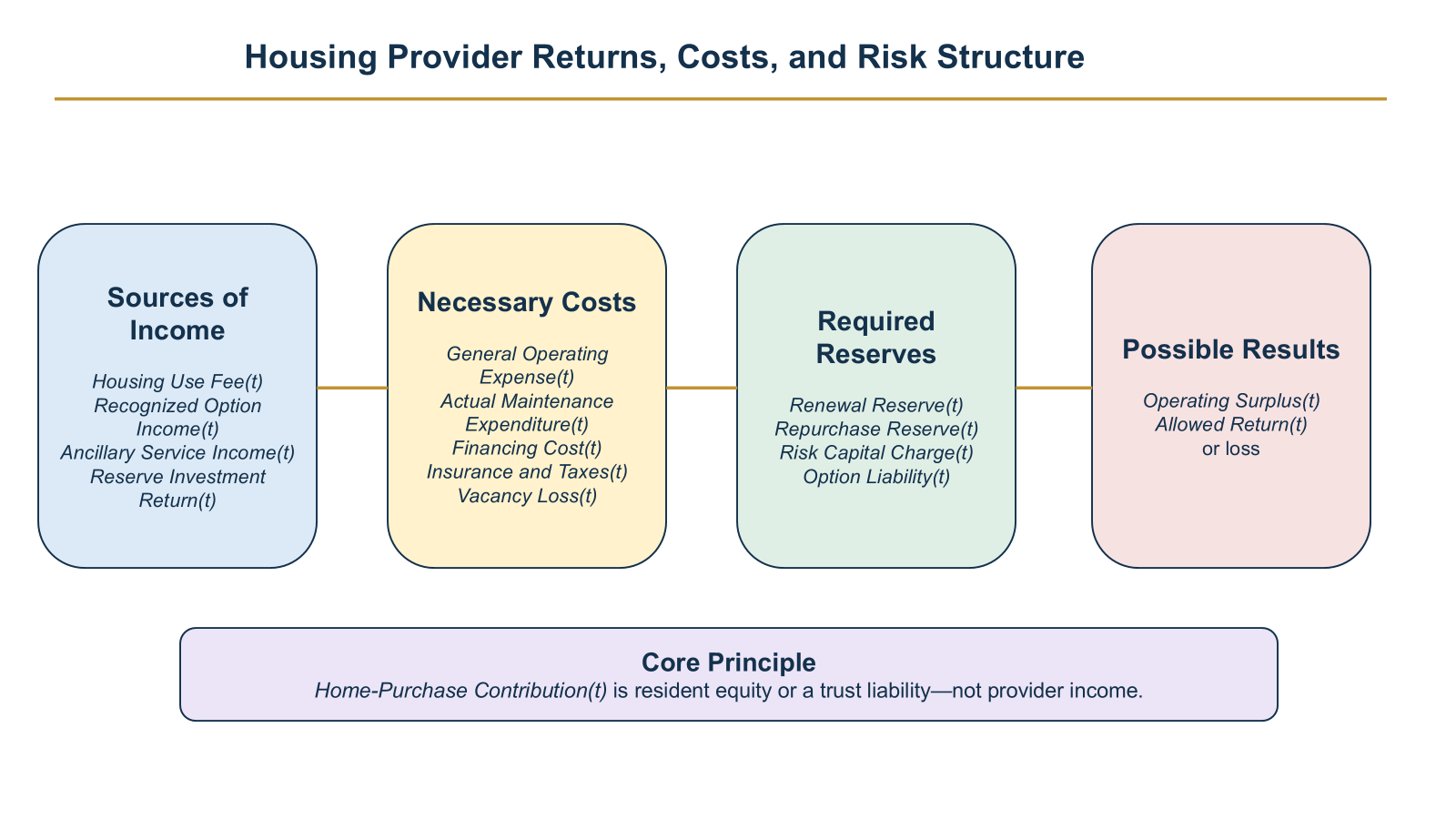
Figure 10-9 — Housing-provider returns, costs, and risk structure.
10.14 Segregation of Funds, Purchase-Transaction Gain or Loss, and Project Value(0)
Section titled “10.14 Segregation of Funds, Purchase-Transaction Gain or Loss, and Project Value(0)”Tier C — Trust and valuation design
Home-Purchase Contribution(t) must be held in independent trust custody and separated from the operating account, option and repurchase reserves, and maintenance and renewal reserves. When a resident exercises the option, Cumulative Vested Equity(t) is the settlement of existing resident equity, not new provider revenue.
Transaction gain or loss must deduct the carrying value, direct transaction cost, and obligations that remain unperformed after the transfer. Total project value consists of future operating surpluses within the finite term plus limited residual rights that still legally exist at the end of the term, less initial invested capital. It cannot include a perpetual land terminal value after the disclosed endpoint.
| Purchase / Transfer Gain or Loss(t) = Formula Purchase Price(t) − Carrying Value(t) − Transaction Cost(t) − Remaining Obligations(t) |
|---|
| Project Value(0) = Present Value[Future Operating Surpluses] + Present Value[End-of-Term Limited Residual Rights] − Initial Invested Capital |
End-of-term value includes only rights that continue within the institutional term and excludes perpetual private land value beyond it.
Project-value variable definitions
Section titled “Project-value variable definitions”| Variable | Meaning in the formula |
|---|---|
| Purchase / Transfer Gain or Loss(t) | Net gain or loss created by a purchase or transfer at time t. |
| Formula Purchase Price(t) | Transparent formula price when the resident exercises the option. |
| Carrying Value(t) | Book value of the dwelling or remaining use right. |
| Transaction Cost(t) | Direct valuation, registration, tax, and legal cost of purchase or transfer. |
| Remaining Obligations(t) | Estimated maintenance, service, repurchase, or guarantee obligations remaining after the transaction. |
| Project Value(0) | Net value of the project at inception. |
| Present Value | Value at the valuation date of future surpluses or finite-term rights. |
| Future Operating Surpluses | Expected operating surplus during the institutional term. |
| End-of-Term Limited Residual Rights | Use, service, or transfer rights that legally remain at term end, excluding perpetual land value. |
| Initial Invested Capital | Necessary initial land or use rights, construction, equipment, planning, financing, and related investment. |
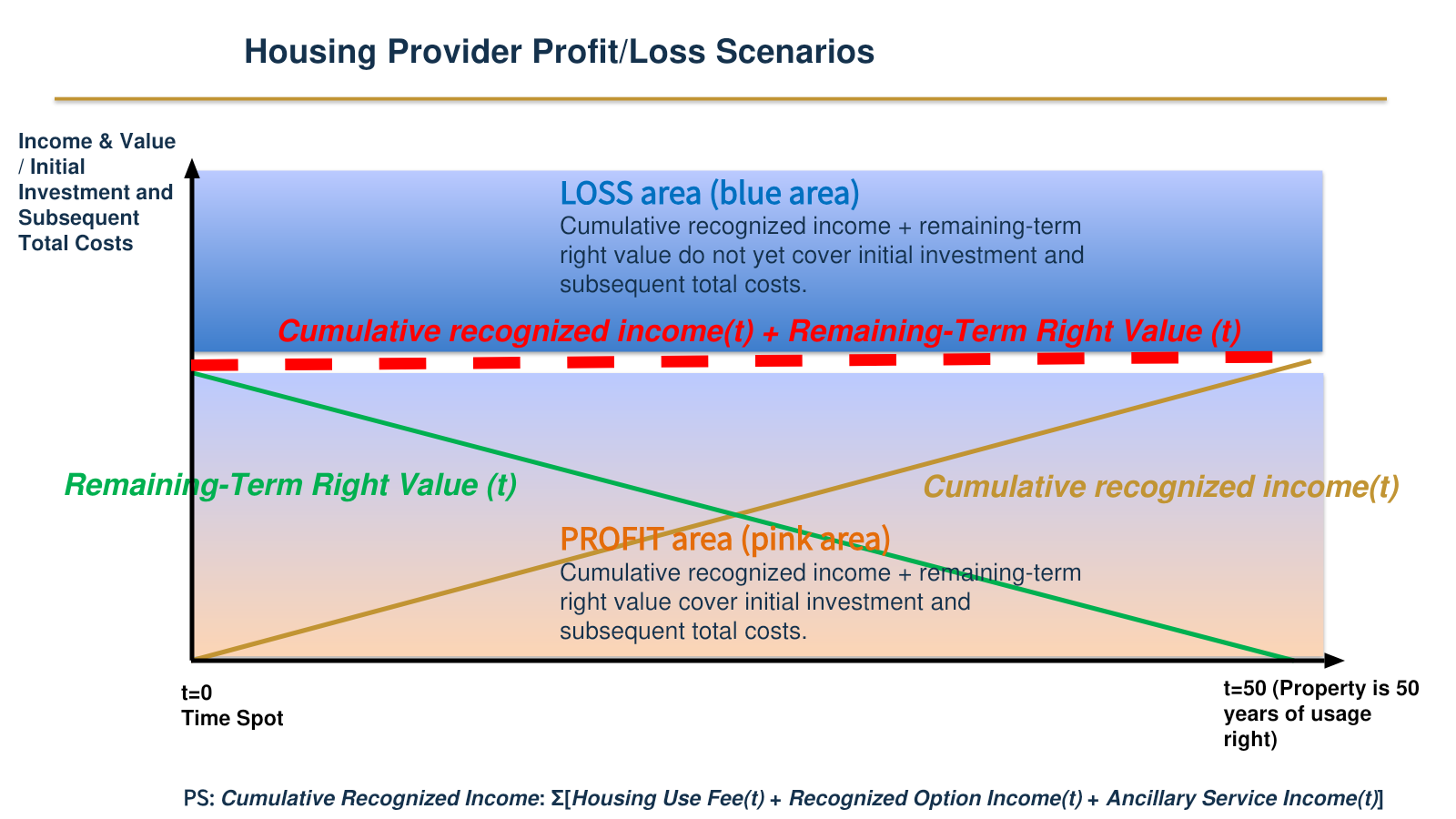
Figure 10-10 — Housing-provider profit-and-loss scenarios.
10.15 Principal Risks to Providers and the System
Section titled “10.15 Principal Risks to Providers and the System”Tier C — Risk governance
Risk does not disappear because the institution uses the language of trusteeship, public benefit, government, or faith. The model combines housing operations, trust custody, a long-term purchase option, annual valuation, repurchase commitments, resident equity, and a public mission. Its risk structure is more complex than an ordinary lease.
Major risks include affordability and delinquency; demand and vacancy; interest-rate and refinancing risk; construction cost and delay; maintenance and asset aging; valuation and model bias; asymmetric option exercise; repurchase and liquidity concentration; misappropriation or failure of bankruptcy remoteness; subletting abuse; legal, tax, and regulatory reclassification; cyber and data risk; disaster and insurance exclusions; governance conflict; and mission drift. Each risk should be assigned to the party best able to prevent, monitor, absorb, or diversify it.
| Risk category | Illustrative consequence | Required safeguards |
|---|---|---|
| Resident affordability | Payments crowd out basic living needs; arrears or loss of occupancy. | Income-sensitive tiers, targeted subsidy, temporary deferral, recovery plans, and protection against automatic seizure of contribution equity. |
| Demand and vacancy | Insufficient revenue, community decline, and pressure to cut maintenance. | Phased development, demand research, mixed locations and resident groups, and flexible uses. |
| Valuation and option risk | Biased Formula Purchase Price(t) or concentrated in-the-money exercises transfer value unfairly or create liability spikes. | Independent valuation, published parameters, actuarial premium, caps/floors, reserves, validation, and appeals. |
| Repurchase and liquidity | Concentrated exits, contribution refunds, or hardship repurchases create a cash gap. | Repurchase Reserve(t), committed liquidity, tiered processing, third-party trustee acquisition, and stress testing. |
| Maintenance and asset aging | Deferred repairs reduce quality and create hidden future liabilities. | Life-cycle plan, Renewal Reserve(t), inspections, and prohibition on manufacturing surplus through deferral. |
| Trust and institutional failure | Resident equity or occupancy disappears with the operator. | Independent custody, 100%+ coverage, bankruptcy remoteness, external audit, and orderly transfer to a successor. |
| Legal, data, and governance risk | Contract reclassification, discrimination, cyber loss, conflicts of interest, or mission drift. | Legal review, data minimization, explainability, recusal, public reporting, appeal, and independent supervision. |
| Interest, finance, and construction | Cost escalation, delay, maturity mismatch, or failed refinancing. | Term matching, lower leverage, performance guarantees, committed buffers, and construction-stage stress tests. |
| Disaster, insurance, and resilience | Major physical damage, displacement, interruption of services, and uninsured loss. | Adequate insurance, resilience standards, emergency accommodation, continuity plans, and dedicated catastrophe capacity. |
| Mission drift and coercion | Housing service becomes extraction, discrimination, or spiritual control. | Mission lock, return caps, public representation, genuine exit, consumer protection, and independent supervision. |
10.16 Anti-Speculation, Terminal-Horizon Erosion, and the Four Rs
Section titled “10.16 Anti-Speculation, Terminal-Horizon Erosion, and the Four Rs”Tier C — Integrative institutional inference
A finite-term trust, remaining-term pricing, annual transparent formula, fair repurchase, and transfer restrictions return housing value to occupancy, maintenance, quality, and remaining services rather than the assumption that land and housing prices rise forever. Legitimate improvements and long-term care are recognized; rapid arbitrage and capture of public land appreciation are constrained.
Rest reduces dependence on extreme leverage and preserves room for life, care, and recovery. Release provides genuine exit and portable equity so a mistaken choice or life change does not become permanent bondage. Redeem provides fair repurchase, hardship bridges, and renewed access to a stable housing foundation. Reset provides a defined term, annual revaluation, and periodic review of governance authority.
10.17 Relationship to Housing Governance in Christ’s Millennial Kingdom
Section titled “10.17 Relationship to Housing Governance in Christ’s Millennial Kingdom”Tier C — Institutional analogy, not prophecy
Isaiah 65—‘They shall build houses and inhabit them’—can be read as protection for security, stability, and enjoyment of the fruit of work. Mortal residents need not sell their freedom to capital or creditors merely to obtain basic shelter. At the same time, housing remains under God’s ultimate ownership, the shared one-thousand-year horizon, and public accountability.
Scripture does not say that the Millennium will use Purchase Option Premium(t), a specified trust term, or these formulae. The instructional value of the prototype is narrower and practical: housing can protect families, recognize accumulation, sustain supply, permit a limited reasonable return, and restrain speculation without relying on perpetual private control and an inescapable mortgage.
10.18 Pilot Implementation and Evaluation Today
Section titled “10.18 Pilot Implementation and Evaluation Today”Tier C — Pilot design
Small pilots could be conducted on public land, through community land trusts, in nonprofit housing, by churches, or through impact-investment structures. Before implementation, every formula and legal relationship must be reviewed, published, explained, and independently tested. An initial pilot of approximately twenty to fifty households is large enough to generate real data while small enough to correct design failures before scaling.
Resident education is essential. Every participant must understand the three accounts, which amounts are refundable, how vesting works, the term of rights, price adjustment, transfer limits, repurchase, provider compensation, and risk. Independent annual evaluation should cover affordability, exit, portability, anti-speculation, quality, governance, provider compensation, resident-equity coverage, repurchase liquidity, debt service, maintenance reserves, Option Liability(t), complaints, and stress-test results.
1. Complete legal review under trust, lease, real-estate, land-right, tax, finance, and consumer-protection law.
2. Publish the Formula Purchase Price(t), Purchase Option Premium(t), vesting, portability, exit, and repurchase formulae before enrollment.
3. Provide independent resident education and legal advice; avoid spiritual, organizational, or policy pressure to participate.
4. Begin with approximately twenty to fifty households and collect real payment, maintenance, exit, exercise, and liquidity data.
5. Require annual independent evaluation of finance, resident equity, maintenance, governance, complaints, and social impact.
6. Conduct combined-adversity stress tests and recalibrate weights, caps, reserves, and contract terms using actual evidence.
Central proposition of the housing chapter Secure housing before offering accumulation; recognize genuine exit before asking for long-term commitment; distinguish service fees, resident equity, option value, cost recovery, and Allowed Return(t) before discussing investment return; and establish multi-stakeholder governance, risk reserves, and orderly resolution before granting authority over pricing, repurchase, and surplus distribution. |
|---|
End-to-end resident journey
Section titled “End-to-end resident journey”A resident enters after independent explanation and suitability review, receives stable occupancy, and pays three visibly segregated amounts each period. Home-Purchase Contribution(t) enters a protected account and vests under a published schedule. At every annual review the resident receives the updated Formula Purchase Price(t), remaining term, vested equity, portability, and a comparison with credible alternatives. The resident may continue, exercise the purchase option, exit with Portable Exit Equity(t), transfer to another scheme, sublet under disclosed rules, or use a hardship transfer or fair-formula repurchase process. Consumed Housing Use Fee(t) and Purchase Option Premium(t) are treated as sunk service costs rather than leverage to trap the household.
End-to-end provider journey
Section titled “End-to-end provider journey”A provider commits land or finite land-use rights, capital, construction, management, and contractual capacity. It recognizes only legitimate service and earned option income, keeps resident contributions in independent custody, and funds maintenance, renewal, repurchase, option, disaster, and risk-capital reserves. Each year it demonstrates contribution coverage, liquidity, debt-service capacity, and resilience under combined stress. Only after costs, resident equity, and outstanding obligations are covered may a transparent Allowed Return(t) or mission surplus be recognized and distributed under the approved waterfall.